Be alert to symptoms such as slipping gears, delayed or rough shifting, unusual noises like grinding or whining, and leaking transmission fluid. A burning smell or an illuminated check engine light can also indicate transmission trouble.
The Role of Transmission Fluid
Transmission fluid is critical for the proper functioning of your vehicle’s transmission. It lubricates moving parts, reduces friction, and helps regulate temperature. Over time, transmission fluid can degrade or become contaminated, losing its effectiveness. Regularly checking and changing your transmission fluid according to your vehicle manufacturer’s recommendations is essential.
The Process of Professional Transmission Repair
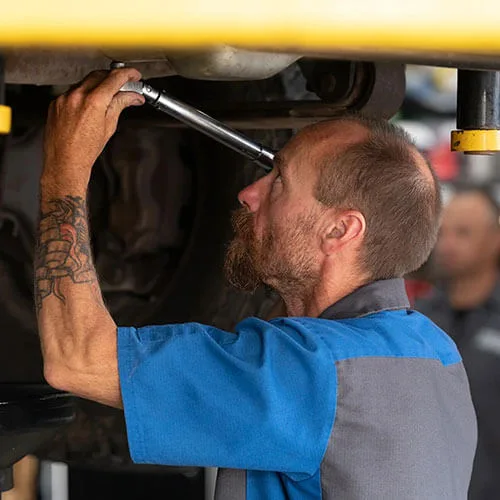
Common transmission repairs include fixing leaks, replacing worn-out components, and addressing electrical malfunctions.
Deciding on Transmission Replacement
In some cases, transmission repair may not be enough to resolve the issue, and replacement becomes necessary. Factors such as severe damage, frequent issues, or high mileage might make replacement the more practical and cost-effective option. A new or remanufactured transmission can significantly improve your vehicle’s reliability and performance.