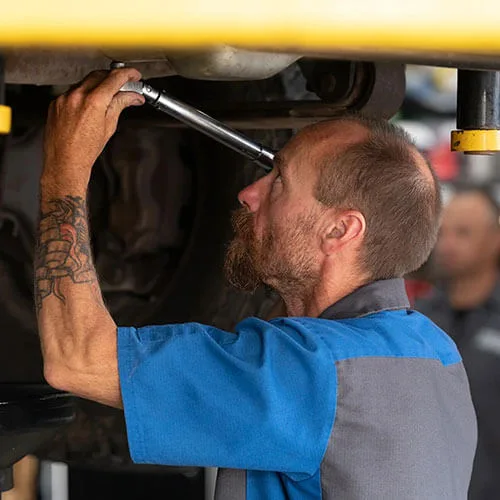

As the winter season approaches, it’s essential to ensure that your vehicle is prepared to handle the cold weather conditions. One critical component to pay attention to during this time is the alternator. The alternator plays a crucial role in keeping your vehicle’s electrical system functioning properly, especially in cold weather.
Why is the alternator important in winter?
Cold weather can have a significant impact on the performance of your vehicle’s battery, causing it to work harder to start the engine and power all the electrical components.
Signs That Your Alternator Needs Service
It’s essential to be aware of the signs that indicate your alternator may need servicing. Ignoring these signs can lead to potential breakdowns and costly repairs. Here are some common signs that your alternator may need attention:
- Dimming Lights: If you notice that your headlights or interior lights are dimming or flickering, it could be a sign of alternator issues.
- Battery Warning Light: If the battery warning light on your dashboard comes on, it’s crucial to have your alternator checked as soon as possible.
- Strange Noises: Unusual noises coming from the engine, such as grinding or whining sounds, could indicate a problem with the alternator.
- Difficulty Starting the Vehicle: If your vehicle is struggling to start or is slow to turn over, it could be a sign of a failing alternator.
The Importance of Winter Alternator Services
Winter alternator services are designed to ensure that your alternator is functioning correctly and can handle the increased demand placed on it during the colder months. Here are some reasons why winter alternator services are essential:
- Prevent Breakdowns: Regular maintenance and servicing can help prevent alternator failures, which can lead to unexpected breakdowns in cold weather.
What does a winter alternator service include?
Here are some common tasks included in a winter alternator service:
- Alternator Inspection: The technician will visually inspect the alternator for any signs of wear or damage.
- Battery Testing: The battery will be tested to ensure it is holding a charge and functioning correctly.
- Belt Inspection: The drive belt connecting the alternator to the engine will be checked for wear and proper tension.
- Charging System Test: A charging system test will be performed to measure the alternator’s output and ensure it is within manufacturer specifications.